Bringing Joy to Your Creations: Why Funny Halloween is the Perfect Display Font
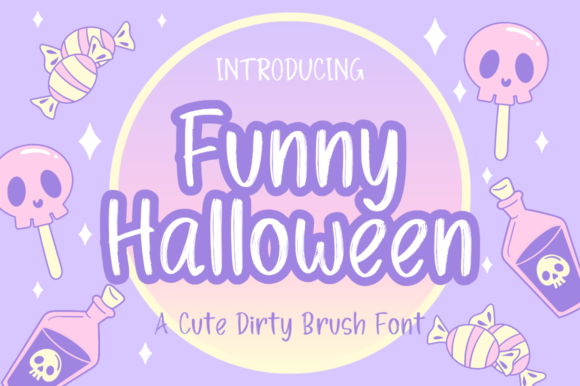
When it comes to designing for children, schools, or any project that aims to spark a smile, the right typography can make all the difference. You might be looking for something spooky for a haunted house poster, but sometimes you need something entirely different—something light, joyful, and undeniably cute. This is where Funny Halloween steps in as a standout choice. It is not just another brushed display font; it is a playful character that brings energy and personality to every design it touches.
Many designers struggle to find a typeface that balances readability with whimsy. Standard fonts often feel too rigid for creative projects, while overly decorative ones can become hard to read. Funny Halloween solves this problem by offering a unique aesthetic that feels handcrafted yet remains accessible. Whether you are creating classroom materials, party invitations, or social media graphics, understanding how to leverage this font can elevate your work from good to memorable.
The Unique Character of a Brushed Display Font
To truly appreciate Funny Halloween, you first need to understand what makes a "brushed display" font so special. Unlike standard serif or sans-serif typefaces that rely on uniform strokes, brushed fonts mimic the look of paint applied with a real brush. The edges are slightly uneven, the thickness varies, and there is a sense of movement within each letter. This imperfection is exactly what gives the font its charm.
In the context of Funny Halloween, this style translates into a font that looks like it was painted by a child's hand or a fun-loving artist at a carnival. The strokes are soft rather than sharp, which subconsciously signals safety and friendliness. This is crucial when your target audience includes young children or parents who want their designs to feel welcoming rather than intimidating. The font avoids the harshness often associated with traditional horror themes, instead opting for a vibe that says "fun" before it ever says "spooky."
The versatility of this brushed texture allows it to blend seamlessly with various color palettes. While it shines against bright primary colors, it also works surprisingly well with pastels or even muted earth tones. The key is that the font itself carries enough visual weight to stand out without needing heavy shadows or complex backgrounds to be noticed.
Why Lightness Matters in Typography
One of the most defining characteristics of Funny Halloween is its inherent lightness. In the world of graphic design, "lightness" doesn't just refer to the stroke weight; it refers to the emotional tone of the typeface. A heavy, bold font can feel authoritative, serious, or aggressive. In contrast, a lighter, airy font feels approachable and energetic.
This quality makes Funny Halloween incredibly effective for school environments. Imagine a bulletin board in a kindergarten classroom. If you use a heavy, blocky font, it might feel imposing. But if you use Funny Halloween, the letters seem to dance across the page. It invites children to engage with the content. Teachers often report that using this font helps capture attention during lesson planning materials, homework assignments, or classroom decorations because the text feels like part of the game rather than a set of rules.
The lightness also ensures that the font does not overwhelm other design elements. When creating flyers or posters, you often have images, icons, and photos competing for space. A heavy font can clutter the composition, but the airy nature of Funny Halloween leaves room for breath, allowing the entire design to feel balanced and uncluttered.
Ideal Applications for Playful Designs
So, where exactly should you reach for Funny Halloween? The answer lies in projects that require a burst of personality. Because the font is specifically designed to be cute and playful, it fits naturally into several specific industries and activities.
- School and Educational Materials: From welcome signs to end-of-year certificates, this font adds a layer of warmth to educational content. It is perfect for teacher newsletters, reading logs, and classroom labels.
- Children's Party Invitations: Whether it is a birthday bash, a sleepover, or a themed event, Funny Halloween sets the tone immediately. It suggests celebration without being overly formal.
- Blog Headers and Social Media Graphics: Content creators targeting families or lifestyle niches can use this font to create a recognizable brand voice. It stands out in a feed full of sterile, corporate-looking images.
- Product Packaging for Kids: Snack wrappers, toy boxes, and coloring books benefit from the friendly appearance of this typeface. It tells the consumer that the product inside is safe and enjoyable.
- Event Banners and Signage: For community events, library story times, or local fairs, the font acts as a visual hook that draws people in.
Consider the scenario of a local library hosting a "Spooky Story Time." Instead of using a scary, jagged font that might frighten toddlers, a librarian could use Funny Halloween. The result is an event that promises excitement and laughter rather than fear. The font bridges the gap between the concept of "Halloween" and the reality of a safe, fun environment for little ones.
Pairing Strategies for Maximum Impact
While Funny Halloween is strong enough to stand alone as a headline, pairing it correctly can take your designs to the next level. The general rule of thumb is to balance the playful nature of the display font with a clean, neutral body text.
A simple sans-serif font like Helvetica, Open Sans, or Lato works exceptionally well as a companion. These fonts provide a solid foundation that allows the Funny Halloween headlines to shine without creating visual chaos. If you pair it with another decorative font, the design can quickly become unreadable and messy.
For example, in a school newsletter, you might use Funny Halloween for the main title "Spring Fair," followed by a crisp sans-serif for the date, time, and location details. This hierarchy guides the reader's eye naturally. The headline grabs attention, and the body text delivers the necessary information clearly. This combination respects the user's need for both aesthetics and functionality.
Practical Considerations for Designers
Before downloading and implementing Funny Halloween into your workflow, there are a few practical factors to consider. Like any tool, it has its strengths and limitations, and knowing them will help you avoid common pitfalls.
Readability at Small Sizes: While the brushed style is charming, it may lose some of its detail when scaled down too much. Avoid using this font for fine print, legal disclaimers, or small captions. It is best reserved for headings, titles, and short phrases where its character can be fully appreciated.
Contrast and Backgrounds: Because the font has a textured, organic look, it requires sufficient contrast to remain legible. Placing it on a busy, patterned background can cause the letters to disappear. Always test your design by viewing it in grayscale to ensure the font maintains its shape and visibility against the background.
Licensing and Usage: As with any digital asset, always check the licensing agreement. Some fonts are free for personal use but require a commercial license for business projects. Ensuring you have the proper rights protects you and your clients from potential legal issues down the line.
Emotional Context: Remember that Funny Halloween evokes a specific emotion. Do not use it for serious news, financial reports, or somber announcements. Its purpose is to bring joy and playfulness. Using it in the wrong context can send mixed messages and confuse your audience.
Making the Most of Modern Workflows
In today's fast-paced digital landscape, efficiency is key. Fortunately, Funny Halloween integrates smoothly into modern design software like Adobe Photoshop, Illustrator, Canva, and Figma. Once installed, it becomes available instantly, allowing you to experiment with different styles and layouts without friction.
For non-designers using drag-and-drop tools, this font is often pre-loaded or easily searchable. This accessibility means that teachers, small business owners, and parents can create professional-looking graphics without needing years of training. The barrier to entry is low, empowering more people to express their creativity.
Furthermore, the font's vector-based nature (in many versions) ensures that your designs remain crisp whether they are printed on a large banner or displayed on a small mobile screen. This scalability is essential for responsive design, where the same message must look good across multiple devices.
Observations from Real-World Projects
Designers who have incorporated Funny Halloween into their portfolios often note a significant increase in engagement. Users are drawn to the human touch that the font provides. In a sea of generic templates, a design featuring this font feels curated and thoughtful. It suggests that someone put care into the details.
Whether you are organizing a charity bake sale, launching a new children's book, or simply decorating your home office, Funny Halloween offers a versatile solution. It reminds us that typography is not just about conveying words; it is about conveying feelings. By choosing a font that is light, joyful, and playful, you are setting a positive tone for your entire project.
Ultimately, the decision to use Funny Halloween comes down to the story you want to tell. If your story is one of fun, learning, and community, this font is a powerful ally. It transforms plain text into an experience, inviting viewers to pause, smile, and engage with your content. So, the next time you open your design software, don't settle for the ordinary. Let your creativity brush away the mundane and embrace the joy of Funny Halloween.