Bunsai: The Handwritten Font That Instantly Elevates Your Designs
In a digital world saturated with sterile, uniform typefaces, finding a way to inject genuine personality into your work can feel like an uphill battle. This is where Bunsai steps in as a game-changer. It is not just another font file; it is a fun, friendly, and adaptable handwritten font designed to bridge the gap between professional polish and human connection. Simple but with a strong visual effect, this font will instantly make your creation more appealing than any others.
Whether you are a seasoned graphic designer looking for that perfect finishing touch or a small business owner trying to stand out on social media, Bunsai offers a unique solution. It brings a sense of warmth and approachability that standard sans-serifs simply cannot replicate. By understanding how to leverage its characteristics, you can transform mundane documents into engaging stories that resonate deeply with your audience.
What Makes Bunsai So Special?
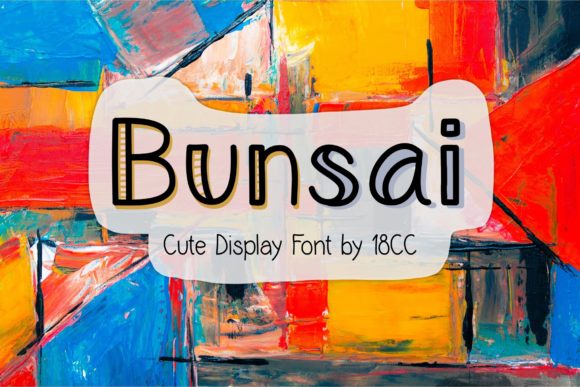
At its core, Bunsai captures the essence of natural handwriting without the inconsistency that often plagues amateur lettering. It strikes a delicate balance between structure and fluidity. When you look at a document set in Bunsai, you immediately sense a human hand behind the text. This "handmade" quality creates an emotional hook, making the reader feel like they are being spoken to directly rather than bombarded by corporate messaging.
The strength of Bunsai lies in its adaptability. Unlike some display fonts that scream for attention and become unreadable when scaled down, Bunsai maintains its charm across various sizes. Its simple strokes carry a strong visual effect, ensuring that even in small doses—like a single headline or a signature line—it commands respect and interest. It is versatile enough to fit into modern layouts while retaining a classic, nostalgic feel.
- Approachable Tone: It softens harsh edges and makes complex information feel accessible.
- Visual Impact: Despite its simplicity, it draws the eye immediately due to its unique character shapes.
- Universal Appeal: It works well for diverse demographics, from young adults to older professionals.
Why You Should Consider Using Bunsai Today
Many creators struggle with the challenge of maintaining brand consistency while trying to appear authentic. Using generic fonts often leads to designs that blend into the background. Bunsai solves this by providing a distinctive voice. For entrepreneurs and freelancers, this means your invoices, proposals, and marketing materials will feel less like templates and more like personal communications.
Consider the problem of reader fatigue. In an era of endless scrolling, people ignore content that looks too formal or robotic. By incorporating Bunsai into your blog posts, newsletters, or educational materials, you signal to the reader that there is a real person behind the screen. This builds trust, which is a crucial component of E-E-A-T (Experience, Expertise, Authoritativeness, and Trustworthiness) in content creation.
Furthermore, the font's friendly nature makes it ideal for projects that require empathy. If you are an educator creating worksheets or a marketer designing a campaign for a community-focused cause, Bunsai helps convey care and dedication. It removes the barrier of intimidation that rigid typography can sometimes create.
Practical Applications Across Different Fields
The versatility of Bunsai means it can be deployed in a wide array of contexts. Here are several realistic scenarios where this font shines and how it can solve specific design challenges.
For Content Creators and Bloggers
If you run a lifestyle blog or a creative portfolio, your typography sets the mood before a single word is read. Using Bunsai for pull quotes, section headers, or captions can break up large blocks of text and guide the reader's eye naturally. It adds a layer of texture that keeps visitors engaged longer, reducing bounce rates and encouraging them to explore more of your content.
For Small Business Owners
Small businesses thrive on personal relationships. Imagine a local bakery using Bunsai for their daily specials chalkboard menu or a coffee shop using it on their loyalty cards. These applications make the brand feel intimate and welcoming. Even for digital storefronts, using Bunsai for product descriptions or "About Us" pages can humanize the shopping experience, making customers feel more comfortable making a purchase.
For Educators and Students
Educational materials often suffer from being dry and difficult to digest. Teachers can use Bunsai to create study guides, certificates, and presentation slides that feel encouraging rather than demanding. For students working on creative projects, this font provides a tool to express individuality in reports and essays, making the work stand out in a positive way.
Digital and Print Media
In the realm of digital marketing, Bunsai is excellent for email subject lines that need to grab attention without shouting. On print media, such as flyers, brochures, or business cards, its strong visual effect ensures that key messages pop off the page. It pairs exceptionally well with clean, minimalist backgrounds, allowing the text to serve as the focal point of the design.
Getting Started: Tips for Effective Usage
While Bunsai is incredibly user-friendly, getting the most out of it requires a bit of strategic thinking. Because it is a handwritten style, it has a distinct rhythm and flow. To ensure your designs remain professional and legible, consider the following best practices.
- Pairing Matters: Since Bunsai is expressive, pair it with a neutral, highly readable body font like a clean sans-serif or a classic serif. This contrast allows the handwritten element to shine without overwhelming the reader.
- Use Sparingly: A little goes a long way. Use Bunsai for headlines, accents, or short phrases. Avoid setting long paragraphs of text in this font, as it may become tiring to read over extended periods.
- Check Contrast: Ensure there is sufficient contrast between the font color and the background. The organic curves of Bunsai can sometimes get lost if the colors are too similar.
- Test Responsiveness: If you are using Bunsai for web design, test how it looks on mobile devices. While it is adaptable, ensure that the sizing remains legible on smaller screens.
It is also important to consider the context of your message. While Bunsai is fun and friendly, it might not be the right choice for highly sensitive legal documents or somber announcements. Always align the tone of the font with the intent of your communication. When used appropriately, however, it becomes a powerful tool that elevates the perceived value of your work.
Final Thoughts on Visual Appeal
Ultimately, design is about communication, and Bunsai speaks a language of warmth and authenticity. In a market where consumers are increasingly seeking genuine connections, having a font that embodies these qualities is invaluable. Whether you are launching a new product, sharing your thoughts online, or organizing a classroom event, Bunsai provides the visual punch needed to make your creation more appealing than any others.
By embracing the simple yet strong character of Bunsai, you are not just choosing a typeface; you are choosing a strategy to connect better with your audience. It invites interaction, fosters trust, and leaves a lasting impression. As you move forward with your next project, keep this adaptable font in mind as a secret weapon for adding that essential human touch to your digital and physical creations.