Cropped: The Bold Display Font for Smart, Cool Designs
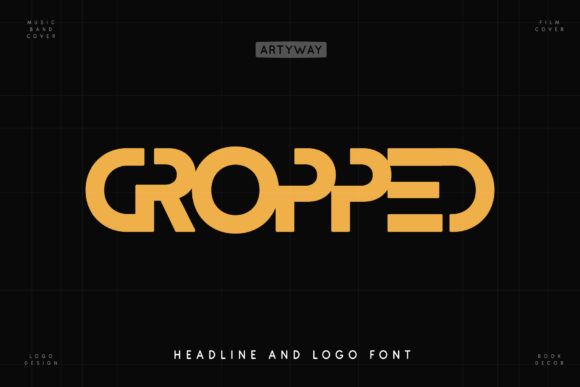
In a digital landscape saturated with generic sans-serifs and decorative scripts, standing out requires more than just good content; it demands a visual voice that commands attention. This is where Cropped enters the conversation. It is not merely another typeface in your library; it is a strategic design element defined by its bold, thick lettering and distinct geometric shapes. When you need to inject a sense of intelligence and modern edge into a project, this techno-styled font provides the immediate impact necessary to bridge the gap between a static layout and an engaging experience.
The primary value of Cropped lies in its ability to communicate authority without shouting. Its heavy weight and structured geometry create a foundation of stability that lighter fonts often struggle to achieve. For professionals, creators, and small business owners, typography is often the first interaction a user has with a brand. If that interaction feels weak or indistinct, the message gets lost. By integrating Cropped into web designs, logos, or marketing materials, you are essentially building a visual anchor that signals competence and forward-thinking innovation.
Enhancing Visual Hierarchy and Readability
One of the most practical challenges designers face is establishing a clear hierarchy on a page. Users scan content rather than reading every word, so the difference between a headline that stops them in their tracks and one they scroll past can be the difference between engagement and abandonment. Cropped excels here because its thick strokes and geometric forms naturally draw the eye. Unlike thinner display fonts that might get lost against complex backgrounds, the density of Cropped ensures legibility even at smaller sizes or from a distance.
Consider a scenario where a freelance marketer is designing a landing page for a tech startup. They need a headline that conveys speed and precision. A standard Helvetica might feel too corporate and safe. In contrast, using Cropped for the main header immediately sets a tone of technological sophistication. The geometric shapes within the letters suggest engineering and structure, reinforcing the product's value proposition before the user even reads the sub-headline. This natural emphasis allows the rest of the copy to recede slightly, guiding the user's journey through the content with intuitive ease.
Strategic Applications for Brand Identity
For entrepreneurs and publishers, a logo is the cornerstone of identity. It must be memorable, scalable, and distinctive. Cropped offers a unique solution for brands looking to shed a traditional image in favor of something sharper and more contemporary. The font's techno style makes it particularly effective for industries related to software, gaming, architecture, and modern manufacturing. When applied to a logo, the thick lettering creates a badge-like quality that works well on social media avatars, mobile app icons, and merchandise.
However, the utility of Cropped extends beyond just the logo itself. It serves as a powerful tool for strengthening communication across all brand touchpoints. Imagine a blog post series about emerging trends. Using Cropped for section headers and pull quotes breaks up dense text blocks and adds a layer of visual interest that keeps readers engaged. It transforms a standard article into a curated publication. This consistency helps build trust, as the audience begins to associate the distinct look of the font with the reliability and expertise of the content creator.
- Web Design: Use Cropped for hero sections to create an immediate "wow" factor that establishes a smart, cool atmosphere.
- Logos: Leverage the geometric shapes to create a monogram or wordmark that stands out in crowded marketplaces.
- Presentations: Apply the font to slide titles to ensure key points are highlighted and perceived as critical information.
Solving Creative Blocks and Streamlining Decisions
Few things stifle creativity faster than the pressure to choose the perfect font. Designers often waste hours scrolling through libraries, trying to find a typeface that balances uniqueness with readability. Cropped simplifies this decision-making process. Because it is a display font with such a strong personality, it reduces the need for excessive graphic elements to make a design pop. You do not need to add heavy shadows, gradients, or borders to make a headline stand out when the font itself carries enough weight and character.
This efficiency is crucial for freelancers and busy professionals who operate under tight deadlines. Instead of spending time tweaking kerning or adjusting weights to force a standard font to perform, you can deploy Cropped and let its inherent geometry do the work. The result is a streamlined workflow where the focus remains on the strategy and the message rather than the mechanics of the type. It supports goals by removing friction from the creative process, allowing projects to move from concept to completion faster.
Real-World Scenarios for Maximum Impact
To truly understand the fit of Cropped, consider how it handles specific contexts. In the world of education, educators often struggle to make course materials feel exciting. A syllabus or a lecture slide deck can easily become a wall of text. Inserting Cropped for module titles or key concepts introduces a dynamic element that suggests the material is current and relevant. It subtly shifts the student's perception from passive reading to active learning.
Similarly, hobbyists and publishers creating newsletters or zines benefit from the font's ability to convey a "smart" aesthetic. Whether it is a newsletter about urban planning or a DIY magazine, Cropped adds a layer of polish that elevates the production value. It suggests that the creator cares about details, which in turn encourages the reader to care about the content. The techno style acts as a universal signifier of modernity, making any subject matter feel fresh and innovative.
Navigating Limitations and Making Informed Choices
While Cropped is a powerful tool, it is not a universal solution for every design challenge. Its bold, thick nature means it is best suited for short bursts of text, headlines, and display purposes. Using it for long-form body copy can lead to visual fatigue, as the heavy lines compete for attention and reduce readability over extended periods. Understanding these limitations is part of professional design practice. A knowledgeable designer knows when to step back and pair Cropped with a cleaner, lighter sans-serif for the supporting text.
Furthermore, the specific geometric shapes of the font may not align with brands seeking a warm, organic, or handcrafted feel. If a bakery wants to evoke tradition and comfort, the sharp angles and techno vibe of Cropped might send the wrong message. In these cases, comparing options is essential. There are many excellent typefaces available, but if the goal is to achieve a smart, cool, and geometrically precise look, Cropped is a top-tier contender.
Ultimately, the success of Cropped depends on thoughtful application. It should be used to solve problems, support goals, and enhance communication, not just to fill space. When integrated correctly, it becomes an invisible yet vital component of a successful design strategy. It allows professionals to present their ideas with clarity and confidence, ensuring that the message is not only seen but felt. For anyone looking to add a definitive, modern edge to their work, Cropped offers a reliable path to achieving that smart, cool touch.
By embracing the strengths of this display font, you are making a conscious choice to prioritize visual impact and structural integrity in your designs. Whether you are launching a new website, rebranding a business, or simply updating a portfolio, Cropped provides the versatility needed to navigate the evolving demands of digital design. It is a resource that, when wielded with understanding, can significantly improve presentation and strengthen the connection between creator and audience.