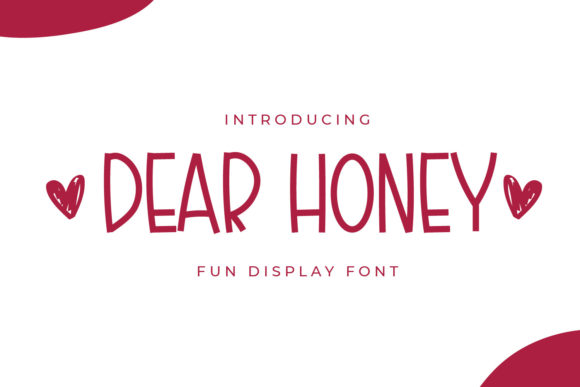
Dear Honey: The Cool Casual Display Font for Creative Projects
There is a specific kind of magic that happens when you pair the right typeface with your brand message. It isn't just about legibility; it is about setting an immediate tone. Enter Dear Honey, a cool and casual display font that brings a sense of warmth, approachability, and modern charm to any project. Whether you are designing a wedding invitation or rebranding a boutique shop, this typeface offers a distinct personality that feels both handcrafted and professionally polished.
In a digital landscape saturated with sterile sans-serifs and overly formal serifs, Dear Honey stands out by embracing its unique character. It is not merely a collection of glyphs; it is a design asset that communicates friendliness without sacrificing sophistication. For designers, entrepreneurs, and content creators looking to elevate their visual identity, understanding how to leverage this creative font can make the difference between a generic look and a memorable brand experience.
Understanding the Personality of Dear Honey
At first glance, Dear Honey reveals itself as a stylish display font that bridges the gap between handwritten scripts and structured serif fonts. Its visual characteristics are defined by fluid strokes and subtle curves that mimic the natural flow of ink on paper, yet it maintains enough structural integrity to remain readable at various sizes. This balance is what makes it so versatile across different media.
The font's personality is undeniably "cool" in the sense that it avoids being stuffy or traditional. It has a contemporary edge that fits perfectly within modern typography trends while retaining a timeless appeal. When you use Dear Honey, you are injecting a touch of elegance and playfulness into your work. It is perfect for projects that need to feel personal and inviting. The letterforms often feature slight variations in weight and width, adding a dynamic rhythm that keeps the eye moving across the page or screen.
This typeface is particularly effective because it does not demand attention through aggression; instead, it invites the viewer in. It suggests a brand or a creator who values aesthetics but prioritizes human connection. Whether you are a graphic designer crafting a logo or a small business owner creating signage, the warm, honey-like quality of the font name translates visually into a design that feels sweet, smooth, and accessible.
Where Dear Honey Shines: Versatile Applications
The true strength of Dear Honey lies in its adaptability. Because it is a display font, it is engineered to be seen rather than read in long blocks of text. However, its range of applications is incredibly broad, making it a staple in many creative professionals' toolkits.
- Branding and Logo Design: A unique typeface is the cornerstone of a strong brand identity. Dear Honey works exceptionally well for logos where the goal is to establish a friendly, artisanal, or boutique image. It adds a custom feel that generic fonts simply cannot replicate.
- Wedding Invitations and Personal Stationery: For events that require a touch of romance and formality without being stiff, this font is ideal. It elevates wedding invitations, save-the-dates, and personalized letterheads, making every piece of stationery feel like a curated experience.
- Apparel and Merchandise: T-shirts, tote bags, and other branded merchandise benefit from the bold presence of a display font. Dear Honey ensures that your designs pop on fabric, offering high contrast and clear readability even from a distance.
- Packaging and Labels: In the world of product design, shelf appeal is everything. Whether you are labeling craft goods, food products, or beauty items, this font helps create a cohesive and attractive package that draws the consumer's eye.
- Digital Media and Social Graphics: From Instagram posts to website headers, Dear Honey serves as a powerful headline font. It breaks up walls of text and creates visual hierarchy, guiding the user's attention to key messages in web design and social media graphics.
- Editorial and Publishing: Magazine covers, book titles, and poster designs often rely on display fonts to set the mood. This typeface can bring a narrative quality to headlines, suggesting a story waiting to be told.
The versatility extends to commercial licensing as well. As a commercial font, it allows businesses to use it freely in marketing materials, ensuring that your branding remains consistent whether it appears on a billboard, a flyer, or a mobile app.
Strategic Considerations for Implementation
While Dear Honey is a fantastic addition to any design toolkit, successful implementation requires thoughtful consideration. Typography is not just about picking something that looks good; it is about how it functions within the broader context of your project.
One of the most critical aspects of using a display font is font pairing. Since Dear Honey has a strong personality, it should generally be paired with a simpler typeface for body text. A clean sans-serif font or a neutral serif font often works best to complement the decorative nature of the display font without competing for attention. The goal is to create a harmonious relationship where the display font acts as the star, and the supporting typeface provides the necessary structure and readability.
When evaluating project fit, consider your audience. If you are targeting a demographic that values tradition and strict professionalism, such as in legal or financial sectors, Dear Honey might feel too casual. However, for lifestyle brands, creative agencies, bloggers, and hobbyists, it is an excellent match. It signals creativity and approachability, which resonates deeply with audiences aged 20 to 50 who appreciate authentic, human-centric design.
Readability is another factor to keep in mind. While Dear Honey is designed for headings and short phrases, ensure that the size is sufficient to maintain clarity. On mobile devices, where screen real estate is limited, test your layouts to ensure the font retains its shape and impact. Additionally, review the included styles in your font family. Many premium fonts come with multiple weights, italics, or alternate characters that can add depth to your design. Utilizing these features can help you achieve a more sophisticated look.
Building Recognition Through Consistent Type
In the realm of brand strategy, consistency is key. Using Dear Honey across various touchpoints—from your website header to your physical packaging—helps build recognition. When customers see the same distinctive typeface repeatedly, they begin to associate those visual cues with your brand values. This subconscious association can significantly influence brand perception, fostering a sense of trust and familiarity.
Furthermore, a well-chosen typeface like Dear Honey can enhance the overall aesthetic of your portfolio or blog. For publishers and content creators, having a signature font can become part of your unique selling proposition. It differentiates your content from the sea of generic templates available online. By investing in a high-quality, versatile typeface, you are essentially investing in the professional credibility of your work.
Ultimately, Dear Honey is more than just a font; it is a tool for storytelling. It allows you to convey emotion, style, and intent before a single word is read. Whether you are launching a new startup, designing a special event, or simply looking to refresh your digital presence, this cool and casual display font offers the flexibility and charm needed to make a lasting impression. By integrating it thoughtfully into your design workflow, you can create visuals that are not only beautiful but also effective in engaging your audience.