Gummy Bears: The Playful Font for Bold Branding
Imagine a world where your brand voice instantly communicates fun, energy, and approachability with a single glance. That is the transformative power of Gummy Bears, a cool and playful display font that has quickly become an incredible asset to any modern fonts library. Whether you are rebranding a local bakery or launching a new line of digital products, this typeface possesses the unique potential to elevate any creation by adding a layer of personality that standard sans-serifs simply cannot match.
In the crowded landscape of visual design, standing out requires more than just good aesthetics; it demands a strategic choice in typography that resonates with your specific audience. Gummy Bears offers a distinct character that bridges the gap between professional polish and whimsical charm. It is not merely a decorative element but a functional tool that can drive engagement, clarify visual hierarchy, and reinforce brand identity across various media platforms.
The Role of Playful Typography in Modern Branding
Typography is often the first thing a user notices when interacting with a brand. While clean, minimalist fonts convey seriousness and corporate stability, display fonts like Gummy Bears inject emotion and narrative into a design. For businesses targeting younger demographics, creative industries, or lifestyle brands, this font provides an immediate sense of joy and accessibility. It signals that the brand is human, approachable, and ready to engage.
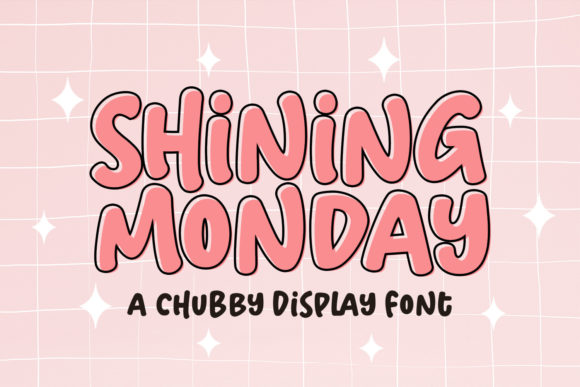
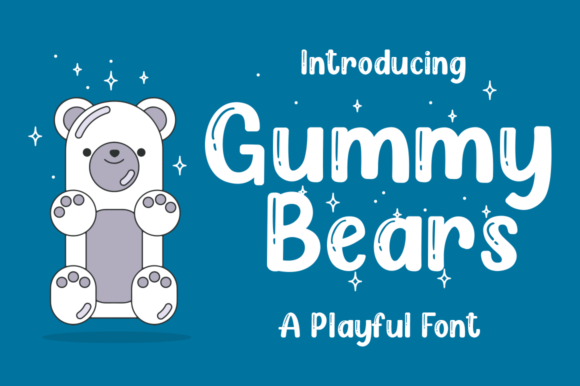
When integrated thoughtfully into a logo design or marketing campaign, Gummy Bears can transform a static image into a dynamic experience. The rounded edges and bouncy structure of the letters mimic the texture of the candy itself, creating a subconscious link to sweetness and delight. This psychological association can be leveraged to improve user engagement on social media graphics or to make packaging design more inviting on crowded retail shelves.
Strategic Applications Across Design Disciplines
The versatility of this font extends far beyond simple decoration. It serves as a cornerstone for diverse creative projects, offering solutions for both print and digital environments. Here is how designers are currently leveraging its unique properties:
- Branding and Logo Design: Use it for headline elements to create a memorable brand mark that feels friendly and energetic.
- Social Media Content: Stand out in busy feeds with bold headlines that encourage clicks and shares through visual appeal.
- Packaging Design: Enhance product visibility by using the font to highlight flavor profiles or key selling points with a tactile feel.
- Web and UI Design: Apply it sparingly to call-to-action buttons or hero sections to guide users without overwhelming the interface.
- Editorial Layouts: Add a touch of personality to magazine covers or blog headers to break up dense text blocks.
Beyond these core areas, the font is equally effective in advertising campaigns, presentation decks, and merchandise design. Its ability to scale well ensures that whether it appears on a massive billboard or a small mobile screen, the message remains clear and impactful.
Best Practices for Integration and Visual Hierarchy
While Gummy Bears is undeniably eye-catching, its success relies heavily on how it is implemented within a broader design system. To maintain a professional presentation, designers must balance playfulness with readability. Overusing a display font can lead to visual clutter, making content difficult to scan and reducing overall comprehension.
Effective use requires a keen understanding of color palette and composition. Pairing the vibrant, bouncy nature of the font with complementary colors can amplify its impact, while poor contrast choices can render the text illegible. When building a cohesive brand identity, consider how Gummy Bears interacts with secondary typefaces. A clean, geometric sans-serif often works beautifully alongside it to handle body copy, ensuring that the detailed information remains accessible while the headlines grab attention.
- Check Scalability: Ensure the font retains its legibility at small sizes, particularly for mobile interfaces and fine print.
- Maintain Consistency: Use the font consistently across all touchpoints to strengthen brand recognition and avoid confusing the audience.
- Respect Readability: Limit usage to short phrases, headlines, or accents rather than long paragraphs of text.
- Consider Context: Evaluate if the playful tone aligns with your industry standards and audience expectations before committing to the style.
By adhering to these principles, you ensure that the font enhances rather than detracts from the user experience. In the realm of digital marketing and web design, where attention spans are fleeting, a well-placed Gummy Bears headline can be the difference between a user scrolling past or stopping to engage.
Ultimately, the choice of a typeface is a strategic decision that influences perception and communication. Selecting high-quality creative assets like Gummy Bears demonstrates a commitment to thoughtful design and attention to detail. When paired with sound composition and a clear visual strategy, such fonts do more than just look good; they tell a story, build trust, and create lasting impressions that resonate with audiences long after they have left the page.