Transforming Visual Identity: Why the Fish Display Font is Redefining Modern Brand Storytelling
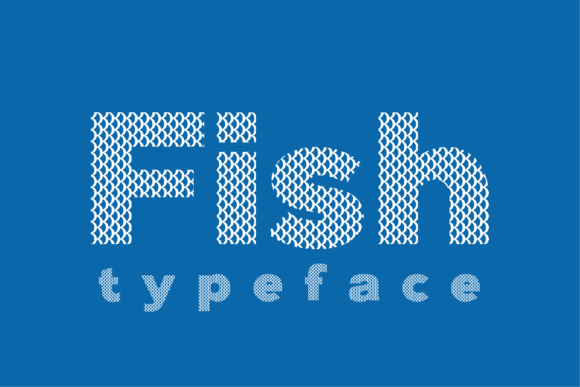
In an era where digital saturation threatens to mute the voice of every brand, creators are increasingly seeking ways to break through the noise. The modern marketplace demands more than just legibility; it requires personality, texture, and a distinct visual signature that resonates on both a subconscious and conscious level. Enter Fish, a cool and uniquely designed display font that has rapidly gained traction among forward-thinking designers and entrepreneurs. Resembling fish skin in its intricate texture and fluid form, this typeface offers a tactile quality rarely found in standard digital libraries.
This article explores how Fish is not merely a stylistic choice but a strategic tool for professionals navigating today's complex creative landscape. From marketing campaigns to lifestyle branding, understanding the nuances of this font allows you to explore its endless possibilities and elevate your design workflow to new heights.
The Anatomy of Distinction: What Makes Fish Unique?
To understand the impact of Fish, one must first appreciate its departure from conventional typography. Traditional sans-serif and serif fonts prioritize clarity and neutrality, often sacrificing character for function. In contrast, Fish embraces organic irregularity. Its letterforms mimic the overlapping scales and shimmering texture of aquatic life, creating a visual rhythm that feels alive rather than static.
This resemblance to fish skin is not just aesthetic; it introduces a layer of depth that interacts dynamically with light and shadow in print environments. When rendered at large sizes on posters or flyers, the texture becomes palpable, inviting the viewer to look closer. For freelancers and agencies, this characteristic solves a common problem: the "flatness" of vector-based graphics. By integrating a font that carries inherent texture, designers can reduce reliance on heavy overlays or complex illustrations, streamlining their production process while maintaining high visual impact.
The font's unique structure also challenges the rigidity of grid-based layouts. It encourages a more fluid approach to composition, allowing text to weave through images and whitespace in ways that feel natural and unforced. This aligns perfectly with current trends in web and print design that favor organic shapes over rigid geometric structures.
Bridging Creativity and Commerce: Market Trends and Consumer Psychology
Why are professionals paying attention to Fish right now? The answer lies in shifting consumer expectations. In the post-digital age, audiences are craving authenticity and tangible experiences. Even in digital spaces, users respond better to content that feels handcrafted or organically derived rather than algorithmically generated.
Fish taps into this desire for the authentic. Its aquatic inspiration connects subconsciously with themes of fluidity, adaptability, and nature—values that are increasingly central to modern business narratives. As sustainability and environmental consciousness become paramount in corporate strategy, brands across sectors are looking for visual languages that reflect these values without resorting to clichéd green icons or generic leaf motifs. A font that evokes the ocean provides a sophisticated, abstract nod to nature that appeals to eco-conscious consumers.
Furthermore, the rise of the creator economy has empowered individuals to build personal brands that stand out. Entrepreneurs and influencers need visual identities that are memorable. Standard fonts blend into the background; Fish commands attention. Whether used for a podcast cover art, a limited-edition product launch, or a bold event poster, the font acts as a visual hook that stops the scroll and engages the eye.
Practical Applications in Professional Workflows
The versatility of Fish makes it applicable across a wide spectrum of industries. Here is how different professionals are leveraging its unique properties:
- Marketing Agencies: Marketers are utilizing Fish for campaign headlines that require immediate emotional resonance. The font's texture adds a premium feel to luxury goods, beauty products, and wellness brands, distinguishing them from competitors who rely on clean, sterile minimalism.
- Event Planners: For festivals, concerts, and corporate retreats, the fluid nature of the font mirrors the energy of the event itself. Using Fish on flyers and stage backdrops creates an immersive atmosphere before the event even begins.
- E-Commerce Entrepreneurs: Online retailers are using the font to create a sense of exclusivity. Product packaging featuring Fish stands out on crowded shelves and social media feeds, driving higher click-through rates and conversion.
- Freelance Designers: For those offering branding packages, incorporating Fish allows for rapid prototyping of high-impact concepts. It reduces the time spent searching for custom illustrations, as the font itself provides the necessary graphic weight.
Adapting to Changing Design Expectations
The design industry is evolving from a focus on pure utility to an emphasis on experiential storytelling. Consumers no longer just want information; they want to feel something. This shift requires tools that facilitate emotional connection. Fish serves as a bridge between the technical requirements of digital display and the artistic needs of print media.
One of the most significant advantages of this font is its ability to transcend medium barriers. While many textured fonts degrade when scaled down for mobile screens, Fish maintains its integrity. Its design ensures that the "scale" effect remains visible even at smaller sizes, ensuring brand consistency across touchpoints. This reliability is crucial for businesses operating in multi-channel environments where a logo or headline might appear on a billboard, a smartphone screen, or a business card.
Moreover, the font supports the growing trend of "anti-design." In a world saturated with perfect, polished, and often soulless corporate aesthetics, there is a resurgence of appreciation for the imperfect, the rough, and the raw. Fish embodies this philosophy. It suggests that perfection is not the only path to beauty; sometimes, the allure lies in the complexity of the surface.
Strategic Implementation for Maximum Impact
To truly harness the power of Fish, designers must move beyond simply applying it as a default header. Strategic implementation involves understanding the interplay between the font's texture and the surrounding elements.
- Contrast is Key: Because Fish is visually busy, it pairs best with clean, minimalist body copy. Use a neutral sans-serif for long-form text to ensure readability, letting the display font take center stage for titles and call-to-action buttons.
- Color Synergy: The texture of the font reacts differently to various color palettes. Metallic accents, deep blues, and earthy tones tend to enhance the aquatic illusion, making the text appear almost three-dimensional.
- Spatial Awareness: Allow the letters room to breathe. Overcrowding the text diminishes the effect of the scale-like texture. Generous kerning and leading can amplify the font's unique character, turning simple words into artistic compositions.
By following these guidelines, professionals can ensure that their designs not only look stunning but also communicate their message effectively. The goal is to create a cohesive narrative where the typography supports the content rather than competing with it.
Looking Ahead: The Future of Textural Typography
As we move further into the future of digital and physical design, the lines between the two will continue to blur. Augmented reality, holographic displays, and interactive print media will demand typefaces that can adapt and react to their environment. Fish represents a precursor to this evolution—a font that already possesses a dynamic quality, capable of suggesting movement and depth in a static format.
For creators, entrepreneurs, and enthusiasts, adopting Fish is an investment in staying ahead of the curve. It signals a willingness to experiment and a commitment to delivering exceptional visual experiences. In a market where attention is the most valuable currency, having a tool that captures and holds that attention is indispensable.
Ultimately, Fish is more than just a font; it is a statement. It declares that your brand is willing to be different, to embrace complexity, and to offer something truly unique. Whether you are designing a poster for a local music festival, a flyer for a tech startup, or a full rebrand for an established enterprise, this typeface invites you to explore its endless possibilities. By integrating Fish into your toolkit, you are not just choosing a style; you are choosing a direction for your visual identity—one that is fluid, resilient, and undeniably cool.
As you embark on your next project, consider how the texture of Fish can transform your message. Let the scales shine, let the design flow, and discover the power of a font that looks stunning on any poster, flyer, or print medium. The future of design is textured, and Fish is ready to lead the way.