Why Garamond Remains a Top Choice for Modern Web and Print Design
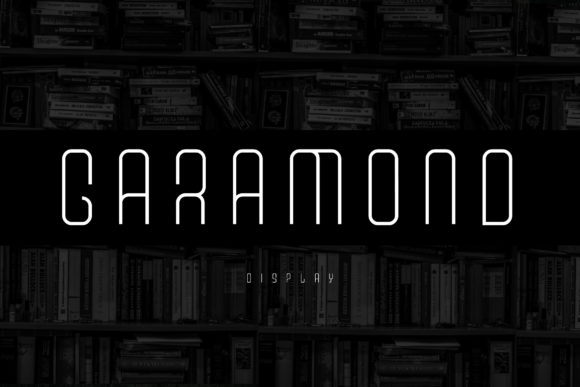
In the vast landscape of typography, few typefaces command as much respect or offer such versatility as Garamond. While often associated with centuries-old printing presses and classic literature, this font has evolved into a dynamic tool for contemporary designers. It is frequently described as cool, thin, and possessing a modern display quality that belies its historical roots. For professionals aged 20 to 50 who are constantly evaluating design resources, understanding the specific nuances of Garamond is essential for making informed decisions about visual communication.
The core appeal of Garamond lies in its unique character. Unlike many sans-serif fonts that prioritize stark minimalism, Garamond offers a sophisticated blend of elegance and readability. Its thin lettering provides an airy, breathable feel that prevents text from appearing heavy or cluttered on digital screens. This distinct aesthetic makes it particularly effective for projects requiring a unique touch, whether that be a high-end business card, a minimalist website header, or a luxury brand identity. However, selecting the right typeface is rarely about following trends; it is about matching the font's inherent qualities to the project's specific needs.
Distinguishing Features of the Garamond Typeface
To understand why Garamond stands out, one must look at its structural anatomy. The font is characterized by its low contrast between thick and thin strokes, which contributes to its legibility across various media. While some modern variations emphasize extreme thinness to create a "cool" atmosphere, the traditional Garamond maintains a balanced weight that feels organic rather than mechanical. This balance allows it to function effectively in both large display sizes and smaller body text, though it shines brightest when used for headlines or short, impactful statements.
The "modern display" aspect of Garamond refers to how well it adapts to current design trends that favor clean lines and negative space. In web design, where screen real estate is at a premium, the thin lettering of Garamond helps reduce visual noise. It guides the eye naturally without demanding excessive attention. This is a crucial distinction when comparing it to more aggressive or bold typefaces that might dominate a layout. When you choose Garamond, you are choosing a font that whispers rather than shouts, inviting the reader to engage with the content on a deeper level.
- Readability: The open counters and clear shapes make it easy to scan, even in smaller sizes.
- Elegance: The subtle curves and refined serifs add a layer of sophistication to any design.
- Versatility: It bridges the gap between traditional print aesthetics and modern digital interfaces.
- Atmosphere: It creates a calm, professional, and trustworthy environment for the user.
Comparing Garamond to Other Typography Options
When researchers or designers evaluate their options, they often find themselves weighing serif fonts against sans-serif alternatives. The decision to use Garamond is not merely about liking the look of the letters; it is about understanding how it fits within a broader typographic ecosystem. Many modern brands opt for geometric sans-serifs to convey innovation and speed. However, these fonts can sometimes feel cold or impersonal. Garamond offers a human-centric alternative that retains a sense of history and craftsmanship while still feeling fresh.
Consider the scenario of designing a business card for a creative agency versus a law firm. A geometric sans-serif might work perfectly for the agency, signaling a break from tradition. However, for a law firm or a boutique consultancy, Garamond provides a sense of stability and established expertise. It signals that the entity values precision and detail. In this comparison, Garamond acts as a bridge, offering the reliability of a classic serif with the lightness required for modern consumption.
Furthermore, when compared to other popular serif fonts like Times New Roman or Baskerville, Garamond often presents a more refined profile. Times New Roman can appear utilitarian and dated in certain contexts, while Baskerville carries a heavier, more formal weight. Garamond strikes a middle ground. It is less rigid than Baskerville but far more distinctive than Times New Roman. This positioning makes it a strong contender for projects that need to avoid looking generic without sacrificing readability.
Best-Fit Situations for Using Garamond
Identifying the right context for Garamond is critical for successful implementation. Because of its thin lettering and elegant structure, it excels in environments where tone is just as important as information. For web designs that focus on storytelling, editorial content, or lifestyle branding, Garamond can transform a standard page into an immersive experience. It pairs exceptionally well with generous white space, allowing the text to breathe and creating a sense of luxury.
Print materials also benefit significantly from this typeface. Business cards, invitations, and brochures designed with Garamond often convey a higher perceived value. The intricate details of the font are rendered beautifully on paper, adding texture and depth that digital screens sometimes struggle to replicate. When you hold a card printed with Garamond, the tactile experience reinforces the message of quality and care.
- Editorial Websites: Perfect for blogs, magazines, or portfolios where reading comfort is paramount.
- Luxury Branding: Ideal for fashion, jewelry, or hospitality industries that rely on exclusivity.
- Professional Services: Effective for consultants, architects, or designers who want to project competence and taste.
- Event Materials: Great for wedding invitations or gala programs that require a formal yet stylish look.
Tradeoffs and Limitations to Consider
No single font is a universal solution, and Garamond is no exception. While it is a powerful tool, there are scenarios where it may not be the optimal choice. One primary limitation is its performance in very small sizes on low-resolution displays. If the font is scaled down too aggressively, the thin strokes may disappear or become difficult to read, leading to accessibility issues. Designers must carefully test the font at various sizes to ensure it remains legible across all devices.
Additionally, the "cool" and thin aesthetic of Garamond might clash with brands that aim to appear rugged, industrial, or highly energetic. If a company wants to project strength through bold, blocky visuals, a heavy sans-serif or a custom display font would likely be a better fit. Garamond's subtlety can sometimes be mistaken for weakness if the surrounding design elements do not support its delicate nature. It requires a confident layout to shine; cluttered designs will dilute its impact.
Another factor to consider is the availability of weights. While modern versions of Garamond come in various styles, they may not offer the extensive range of weights found in variable fonts designed specifically for the web. If a project requires extreme variation in weight to create complex hierarchy, a more flexible font family might be necessary. Designers should evaluate the full library of the specific Garamond variant they intend to use before committing to it.
Making the Final Decision: A Practical Approach
Ultimately, the choice between Garamond and other options comes down to the specific goals of the project and the audience being targeted. For those exploring resources or evaluating products, the key is to ask what emotion or action the design should evoke. If the goal is to build trust, convey heritage, or offer a refined user experience, Garamond is a compelling candidate. Its ability to blend modern simplicity with classical beauty makes it a rare asset in a crowded market.
However, it is equally important to remain open to alternatives. Sometimes, a different serif or a clean sans-serif will serve the purpose better. The best approach is to prototype your design using Garamond alongside other candidates. Test them in real-world scenarios, such as on mobile screens or in printed proofs. Observe how they interact with your color palette, imagery, and overall layout. This hands-on evaluation is the most reliable way to determine if the "unique touch" of Garamond aligns with your vision.
By understanding the strengths and limitations of this versatile typeface, designers and business owners can make more informed decisions. Whether you are crafting a sleek website, a memorable business card, or a comprehensive brand guide, Garamond offers a timeless foundation that can elevate your work. It is a font that respects the past while embracing the future, making it a wise investment for any project that demands quality and distinction.