Why Second Hand is the Essential Display Font for Modern Creators
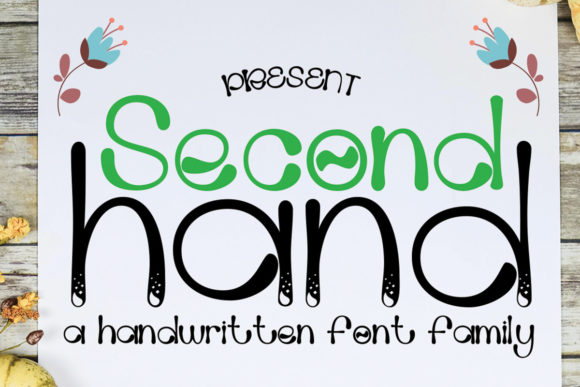
In a digital landscape saturated with sleek, uniform typefaces and algorithmic perfection, there is a distinct craving for something that feels human. We are witnessing a shift where authenticity often trumps polish. This is where Second Hand steps in as a simple and casual display font that cuts through the noise. It isn't just another typeface to download; it is a tool designed to inject personality into projects that demand a touch of nostalgia without sacrificing readability.
For professionals, entrepreneurs, and hobbyists alike, the choice of typography can make or break a visual message. While many fonts aim for neutrality, Second Hand embraces character. Whether you are designing a brand identity for a boutique coffee shop, creating content for a lifestyle blog, or crafting marketing materials for a local event, this font has the potential to elevate any creation. Its versatility makes it an incredibly asset to your fonts library, ensuring that no matter the topic, your design retains a unique voice.
The Shift Toward Authenticity in Design
The evolution of web design and graphic arts over the last decade has seen a pendulum swing from hyper-minimalism back toward warmth and texture. Users today, particularly those aged 20 to 50, are increasingly skeptical of overly polished, corporate aesthetics. They seek connections that feel genuine. A font like Second Hand taps directly into this psychological need. It mimics the imperfections of hand-drawn lettering, offering a tactile quality that standard sans-serifs simply cannot replicate.
This trend is not merely about aesthetics; it is about communication. When a business uses a rigid, geometric font, it signals efficiency and cold logic. However, when they utilize a casual display font, they signal approachability and creativity. In a market where consumers are bombarded with thousands of ads daily, standing out requires more than just good copy; it requires a visual style that resonates on an emotional level. Second Hand provides that bridge, allowing brands to speak in a tone that feels conversational rather than broadcasted.
Furthermore, the rise of social media platforms has accelerated this preference. Content that looks like it was made by a person, for a person, tends to perform better. The slight irregularities in the strokes of Second Hand mimic the natural variance found in handwriting, making digital content feel less manufactured. This subtle cue helps build trust with the audience, fostering a sense of community around the content creator or the brand.
Adapting to Changing Workflows and Creative Practices
Modern creators often juggle multiple roles. A freelancer might be designing a logo one hour, writing a newsletter the next, and editing a video for Instagram later. Efficiency is paramount, but so is consistency. Integrating a versatile font like Second Hand simplifies this workflow. Because it is a simple and casual display font, it pairs exceptionally well with a wide range of supporting typefaces, from clean serifs to functional monospaced codes.
This adaptability means you don't need a massive library of specialized fonts to achieve a cohesive look. You can use Second Hand for headlines, pull quotes, and key call-to-action buttons, while relying on a neutral body font for readability. This strategy saves time during the design process while ensuring the final output remains visually engaging. For educators and bloggers, this is particularly useful. It allows them to create educational materials or blog posts that feel inviting and accessible, reducing the cognitive load on the reader.
Moreover, the flexibility of this font extends to various industries. Marketers can use it to highlight special offers or limited-time events, leveraging its casual nature to create a sense of urgency and exclusivity. Business owners can apply it to packaging or signage to differentiate their products from mass-market competitors. The font's ability to adapt to different contexts without losing its core identity is what makes it such a valuable addition to any professional toolkit.
Practical Applications Across Industries
To truly understand the value of Second Hand, one must look at how it functions in real-world scenarios. Consider the world of e-commerce. Product descriptions often suffer from being dry and technical. By using Second Hand for product titles or feature highlights, retailers can soften the transactional nature of online shopping. It invites the customer to explore, making the browsing experience feel more like walking through a curated store than scanning a spreadsheet.
In the realm of personal branding, influencers and thought leaders rely heavily on visual consistency. A font that captures their unique style is crucial. Second Hand offers a playful yet professional edge that works well for lifestyle coaches, creative directors, and artists. It communicates confidence without arrogance. When used in presentation decks or pitch documents, it can help break the monotony of bullet points, drawing the investor's eye to the most critical data points.
- Event Marketing: Posters and flyers benefit immensely from the casual vibe of Second Hand. It suggests a fun, inclusive atmosphere, encouraging attendance at workshops, meetups, or festivals.
- Educational Materials: Teachers and course creators can use this font to make learning resources feel less intimidating. Headings written in Second Hand guide students through complex topics with a friendly demeanor.
- Craft and Hobby Brands: For businesses selling handmade goods, the font mirrors the craftsmanship of the products themselves. It reinforces the narrative of care and attention to detail.
The key to success lies in balance. While Second Hand is powerful, it should be used strategically. Overusing it can lead to visual fatigue, diminishing its impact. Instead, treat it as a spotlight. Use it to frame your message, letting the text breathe while the font adds the necessary character.
Future-Proofing Your Design Choices
Trends come and go, but the desire for authentic expression remains constant. As we move further into an era dominated by artificial intelligence and automated content generation, the human touch becomes even more precious. Fonts that emulate human error and variation will likely see increased demand as users seek to distinguish human-made work from machine-generated outputs.
Second Hand is positioned perfectly within this trajectory. It is not tied to a fleeting fad but addresses a fundamental aspect of design: the need for connection. By incorporating this font now, creators are future-proofing their libraries against the homogenization of digital media. It ensures that their work retains a soul, regardless of how the technology evolves.
For those looking to expand their creative horizons, exploring the nuances of display fonts is essential. Understanding how a simple change in typography can alter the perception of a brand is a skill that pays dividends. Second Hand serves as an excellent case study in how a single element can transform a project from ordinary to extraordinary.
Ultimately, the decision to add Second Hand to your collection is an investment in quality and versatility. It is a font that respects the user's intelligence while appealing to their emotions. Whether you are launching a startup, revamping a website, or simply updating your social media presence, having a reliable, character-rich font at your disposal is invaluable. It is a testament to the idea that great design is not just about following rules, but about knowing when to bend them to create something memorable.
As you curate your next project, consider the story you want to tell. If that story involves humanity, creativity, and a touch of the unexpected, then Second Hand is ready to help you tell it. No matter the topic, this font will be an incredibly asset to your fonts library, as it has the potential to elevate any creation.