Aristotle: Redefining Digital Presence with a Thick Lettered and Robotic Display Font
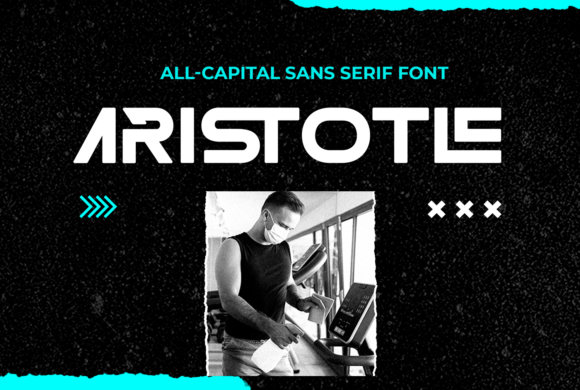
In an era where digital noise is louder than ever, the ability to command attention instantly has become the most valuable currency for creators, entrepreneurs, and brands. We are no longer just competing for clicks; we are fighting for cognitive retention in a split-second glance. This is where Aristotle steps into the conversation, not merely as another typeface, but as a strategic asset designed to cut through the clutter. It is a thick lettered and robotic display font that embodies the intersection of industrial precision and modern boldness.
The landscape of design has shifted dramatically over the last decade. The soft, rounded sans-serifs that dominated the 2010s have given way to typography that demands authority. Users expect interfaces and headlines to feel substantial, engineered, and purposeful. Aristotle fits this evolving need perfectly. Its unique character set offers a visual weight that anchors a design, ensuring that the message is not just seen, but felt. For professionals looking to elevate their portfolios, marketing materials, or product interfaces, understanding the power of such a distinct typeface is essential.
The Evolution of Bold Typography in Modern Workflows
Why is there a sudden surge in interest around fonts like Aristotle? The answer lies in the changing habits of the digital consumer. As screens become larger and more ubiquitous, from massive billboards to compact mobile devices, the legibility of heavy, structured text has become paramount. In our fast-paced workflows, where content consumption happens at breakneck speeds, a font needs to convey its personality immediately. There is no time for subtlety when you have three seconds to explain your value proposition.
This shift has pushed designers away from generic system fonts toward specialized display solutions. Aristotle represents this evolution by offering a robotic aesthetic that feels futuristic yet grounded. It moves beyond the standard "tech" look often associated with coding or sci-fi movies. Instead, it brings a sense of architectural solidity to digital spaces. Whether you are a freelancer pitching a new brand identity or a business owner launching a tech startup, the use of a font that signals strength and reliability can significantly impact user perception.
The relevance of Aristotle extends to the practicalities of modern branding. Companies are increasingly seeking to differentiate themselves in saturated markets. A thick lettered font provides a visual hook that is difficult to ignore. It suggests confidence. When a headline is rendered in a style that mimics the precision of machinery, it subconsciously communicates efficiency and innovation to the audience. This psychological association is powerful in a business context where trust and competence are the primary goals.
Unlocking Creative Potential Through PUA Encoding
One of the most compelling features of Aristotle is its technical architecture. It is a PUA encoded font, which stands for Private Use Area encoding. For those unfamiliar with the term, this means the font utilizes a specific section of the Unicode standard reserved for custom characters. This technical detail unlocks a world of possibilities that standard fonts simply cannot offer.
Because it is PUA encoded, you can access all the amazing glyphs and ligatures with ease. This isn't just about having extra letters; it is about having a toolkit for creative expression. Ligatures allow for smoother connections between characters, while alternative glyphs can add texture, ornamentation, or stylistic flair without breaking the visual flow of the text. For creators who spend hours tweaking kerning and spacing manually, this feature is a game-changer.
Imagine designing a poster for a music festival or a landing page for a software launch. With traditional fonts, achieving a unique look often requires complex workarounds or manual manipulation of vector paths. With Aristotle, you can leverage its built-in variations to create custom compositions rapidly. You can mix standard characters with specialized symbols to create a rhythm in your text that feels organic yet engineered. This level of control allows for a higher degree of personalization, which is exactly what audiences crave today.
Add it confidently to your favorite creations and let yourself be amazed by the outcome generated. The difference between a standard headline and one enhanced with these unique glyphs is night and day. The latter possesses a depth and character that invites the viewer to linger. It transforms a simple sentence into a visual statement. For educators and bloggers, this means your educational materials or articles can stand out visually, making complex topics easier to digest through engaging presentation.
Practical Applications for Professionals and Hobbyists
The utility of Aristotle spans across various sectors. For marketers, it offers a way to highlight key selling points with undeniable clarity. A thick lettered font ensures that call-to-action buttons and promotional banners are impossible to miss. In the realm of web design, using Aristotle for hero sections can create an immediate sense of scale and importance. It acts as a visual anchor, guiding the user's eye down the page to the rest of the content.
- Branding and Identity: Use the font for logos and brand names to establish a strong, memorable presence that suggests durability and forward-thinking.
- Digital Marketing: Leverage the high-impact nature of the display font in email headers and social media graphics to increase open rates and engagement.
- Content Creation: Bloggers and writers can use it to break up long-form text, creating visual breaks that improve readability and keep readers engaged.
- Product Design: Entrepreneurs developing apps or physical products can use the font on packaging and UI elements to convey a sense of premium quality and technical sophistication.
Even for hobbyists, the appeal lies in the freedom of expression. Whether you are designing flyers for a local community event, creating custom merchandise, or experimenting with digital art, Aristotle provides a versatile palette. The robotic aesthetic allows for themes ranging from cyberpunk to minimalist industrialism, adapting to the specific vibe of the project without feeling forced.
Navigating Trends with Grounded Design Choices
While trends come and go, certain principles of design remain constant. Clarity, hierarchy, and emotional resonance are the pillars of effective communication. Aristotle aligns with these timeless principles while incorporating modern technological capabilities. It is important to note that adopting a specialized font does not mean abandoning usability. In fact, the robust structure of Aristotle often enhances accessibility by providing clear, distinct letterforms that are easy to distinguish.
However, as with any tool, it must be used with intention. The trend toward bold, heavy typography should not lead to overwhelming the user. The key is balance. Use Aristotle for headlines, titles, and short phrases where impact is required, and pair it with lighter, more neutral body text to ensure readability. This contrast creates a dynamic visual experience that guides the user through the content effectively.
Looking ahead, the integration of advanced typography will likely continue to evolve. As AI tools and generative design platforms become more prevalent, the demand for fonts that offer unique, customizable traits will grow. Fonts like Aristotle, with their rich glyph sets and encoding flexibility, are positioned to be at the forefront of this movement. They offer a bridge between human creativity and machine precision.
For the professional, staying ahead of the curve means understanding how to leverage these tools. It is not enough to simply know what a font looks like; one must understand how it functions within a broader ecosystem of design and communication. By mastering the use of PUA encoded fonts, you gain a competitive edge in delivering polished, professional results that resonate with your audience.
Conclusion: Embracing the Robotic Aesthetic
The journey of design is one of constant adaptation. As our digital environments become more complex, the need for clear, impactful visual communication becomes more urgent. Aristotle addresses this need head-on. It is a thick lettered and robotic display font that combines structural integrity with creative flexibility. Its PUA encoding opens doors to a vast array of glyphs and ligatures, empowering users to craft unique visual narratives.
Whether you are a seasoned marketer refining a campaign, a developer building a new platform, or a hobbyist exploring your creative limits, Aristotle offers a reliable foundation. It allows you to add confidence to your work and achieve outcomes that truly stand out. In a world filled with generic templates, choosing a font that commands attention is a decision that speaks volumes about your commitment to quality. Let yourself be amazed by the outcome generated when you integrate this powerful tool into your workflow.
By embracing the characteristics of Aristotle, you are not just selecting a typeface; you are adopting a mindset of precision, innovation, and boldness. These are the qualities that define successful projects in the modern age. So, add it confidently to your favorite creations and watch as your designs transform from ordinary to extraordinary.