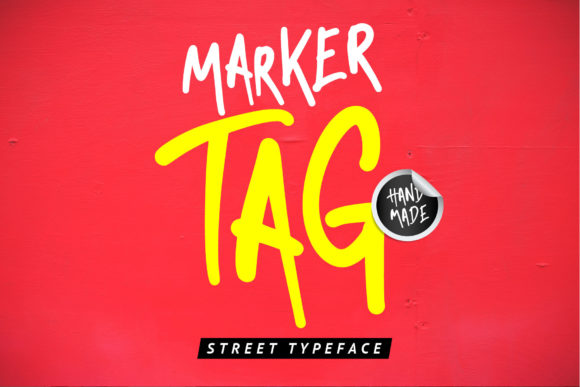
Marker Tag: The Brushed Font for Bold Street Style
In a digital landscape saturated with clean, geometric sans-serifs and overly polished serif fonts, there is a distinct hunger for something raw. Something that feels hand-made, immediate, and unapologetically human. Marker Tag answers this call perfectly. It is not just another typeface; it is a visual statement that captures the energy of urban life, the spontaneity of street art, and the precision of a skilled brush.
This brushed display font brings an authentic texture to your projects, bridging the gap between digital design and analog creativity. Whether you are a graphic designer looking to elevate a brand identity or a small business owner trying to make your t-shirt line stand out on the rack, Marker Tag offers a versatile toolkit for creating designs that demand attention without shouting.
Understanding the Character of Marker Tag
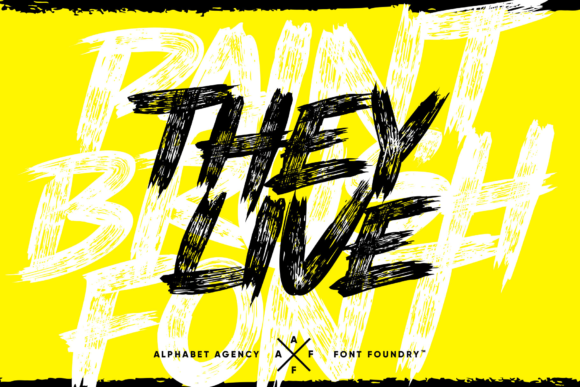
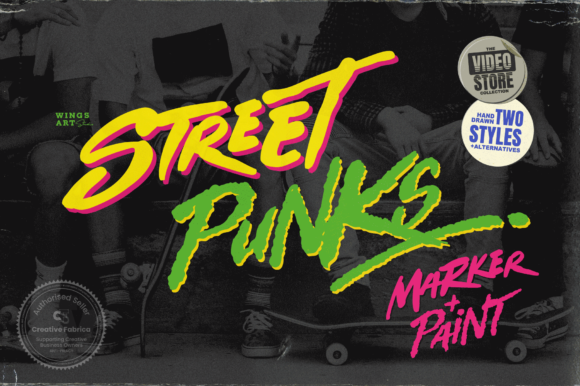
What sets Marker Tag apart from standard handwriting fonts is its specific "brushed" quality. Unlike scripts that mimic ballpoint pens or fine liners, Marker Tag simulates the flow of a broad-nib marker or a paintbrush. The strokes vary in thickness, capturing the natural pressure changes of a hand in motion. This creates a dynamic rhythm within every word, adding depth and movement that flat fonts simply cannot achieve.
The "street styled" aesthetic does not mean sloppy or unreadable. On the contrary, it is carefully constructed to maintain legibility while retaining an edgy, rebellious spirit. The characters feature subtle imperfections—slight variations in stroke width and organic edges—that prevent the text from feeling sterile or machine-generated. This authenticity is exactly what modern audiences crave. They want to feel like they are interacting with a real person, not a corporate algorithm.
Why Creatives Are Choosing Marker Tag
- Immediate Impact: The bold, textured strokes grab the eye instantly, making it ideal for headlines and short bursts of text.
- Versatile Mood: It can convey excitement, urgency, or artistic flair depending on how it is paired with other elements.
- Human Touch: In an era of AI-generated content, a font that looks hand-drawn adds a layer of trust and relatability.
- Adaptability: While rooted in street culture, the clean structure allows it to work in high-end fashion contexts as well.
Creative Applications Across Industries
The true power of Marker Tag lies in its ability to adapt to various industries while maintaining its core identity. Designers who understand typography know that context is everything. A font that works for a skateboarding brand might need tweaking for a tech startup, but the underlying energy remains consistent.
Fashion and Sportswear
For clothing brands, especially those targeting youth culture or active lifestyles, Marker Tag is a natural fit. Imagine a limited-edition hoodie featuring a large, brushed logo across the chest. The texture of the font mimics the fabric's weave, creating a tactile visual experience even before the customer touches the garment. It pairs exceptionally well with distressed textures, camouflage patterns, or vibrant neon colors. For sportswear, the dynamic slant and thick strokes evoke speed and athleticism, perfect for team jerseys or promotional posters.
Logos and Brand Identity
Building a logo requires balancing memorability with scalability. Marker Tag excels here because its strong character ensures it remains recognizable even when scaled down to a favicon or embossed on a product tag. Entrepreneurs launching coffee shops, gyms, or creative agencies often use this font to signal approachability mixed with professionalism. By combining Marker Tag with a minimalist icon, you create a contrast that highlights both the structured business side and the creative soul of the brand.
Advertising and Social Media
In the fast-scrolling world of social media, static images often get ignored. Text overlays using Marker Tag cut through the noise. Marketers can use it to highlight key offers, event dates, or quotes. Because the font has a built-in sense of movement, it encourages the viewer to pause and read. When used in advertisements, it suggests that the message is urgent and important. However, the key is restraint; use it for headlines and call-to-actions, but keep body copy in a neutral sans-serif to ensure readability.
Practical Strategies for Implementation
Using a display font like Marker Tag effectively requires more than just dropping it into a design file. To achieve professional results, you must consider hierarchy, pairing, and composition. Here are practical approaches to integrating this font into your workflow.
- Master the Pairing: Never mix Marker Tag with another display font. Instead, pair it with a clean, neutral sans-serif (like Helvetica, Roboto, or Open Sans) for secondary text. The contrast between the rough, organic marker style and the smooth, geometric body text creates a sophisticated balance. This ensures your design looks intentional rather than chaotic.
- Play with Weight and Size: The strength of Marker Tag comes from its weight. Use it in massive sizes for impact, or thin it out slightly if you need a subtler background element. Avoid using it for long paragraphs of text; it will become visually exhausting and difficult to read. Reserve it for titles, captions, and emphasis.
- Explore Texture and Backgrounds: Since the font itself has a textured look, placing it over a busy background can sometimes obscure the letters. Try placing the text on solid colors, gradients, or simple photographic backgrounds where the subject is blurred. Alternatively, use the font as a mask over a texture image to create a seamless integration.
- Consider Color Psychology: Marker Tag feels energetic. Black and white is classic and timeless, but don't be afraid to experiment. Deep reds, electric blues, and mustard yellows can amplify the street-style vibe. Just ensure there is enough contrast between the text color and the background to maintain accessibility.
Tailoring for Your Audience
Different demographics respond to different visual cues. If you are designing for a younger audience (Gen Z), lean into the raw, graffiti-inspired aspects of Marker Tag. Use it with bright, clashing colors and irregular layouts. For a more mature audience, perhaps in the 30-50 age range, tone down the "street" aspect by using the font in a monochromatic palette or pairing it with elegant serif headings. This shows that Marker Tag is not limited to one subculture; it is a tool that can be molded to fit the narrative you wish to tell.
Maintaining Consistency and Clarity
One of the common pitfalls when using expressive fonts is inconsistency. You might end up with a design that feels disjointed if you apply Marker Tag sporadically throughout a project. To maintain a cohesive look, establish a clear rule set. For example, decide that Marker Tag will only be used for main headers and never for subheaders or bullet points. This discipline helps guide the user's eye through the content logically.
Furthermore, always test your designs in black and white first. If the hierarchy and structure hold up without color, the design is fundamentally sound. This step ensures that the unique shape of the letters provides the necessary visual interest without relying on gimmicks. Remember, the goal is to communicate your message clearly while adding a layer of stylistic flair. If the font distracts from the message, it is doing too much work.
Final Thoughts on Creative Freedom
Ultimately, Marker Tag is about breaking the rules of traditional typography to express a genuine voice. It invites designers to stop worrying about perfection and start embracing the beauty of the imperfect. Whether you are creating a poster for a local music festival, a label for an artisanal food brand, or a banner for a charity event, this font provides the confidence to say, "We are here, we are real, and we have something to say."
By understanding the nuances of its brushed style and applying it with strategic intent, you can transform ordinary designs into memorable experiences. Don't be afraid to experiment, mix, and match. The best creative outcomes often come from pushing the boundaries of what a font can do. Let Marker Tag be the spark that ignites your next project.